We'll walk your site, scope the project, and quote it within 48 hours.
There’s a lot to consider when storing products and organizing your warehouse. An efficient and productive warehouse is key, and the setup and requirements of warehouses will continuously change as the company continues to grow and expand its operations.
Shutting down a facility is more than clearing floors and turning off utilities. It touches asset recovery, EHS compliance, sustainability, and complex logistics that can quickly spiral if missed. At Michaels Global Trading, we’ve seen how early planning—plus specialists such as an industrial equipment removal service—keeps costs, risks, and timelines under control.
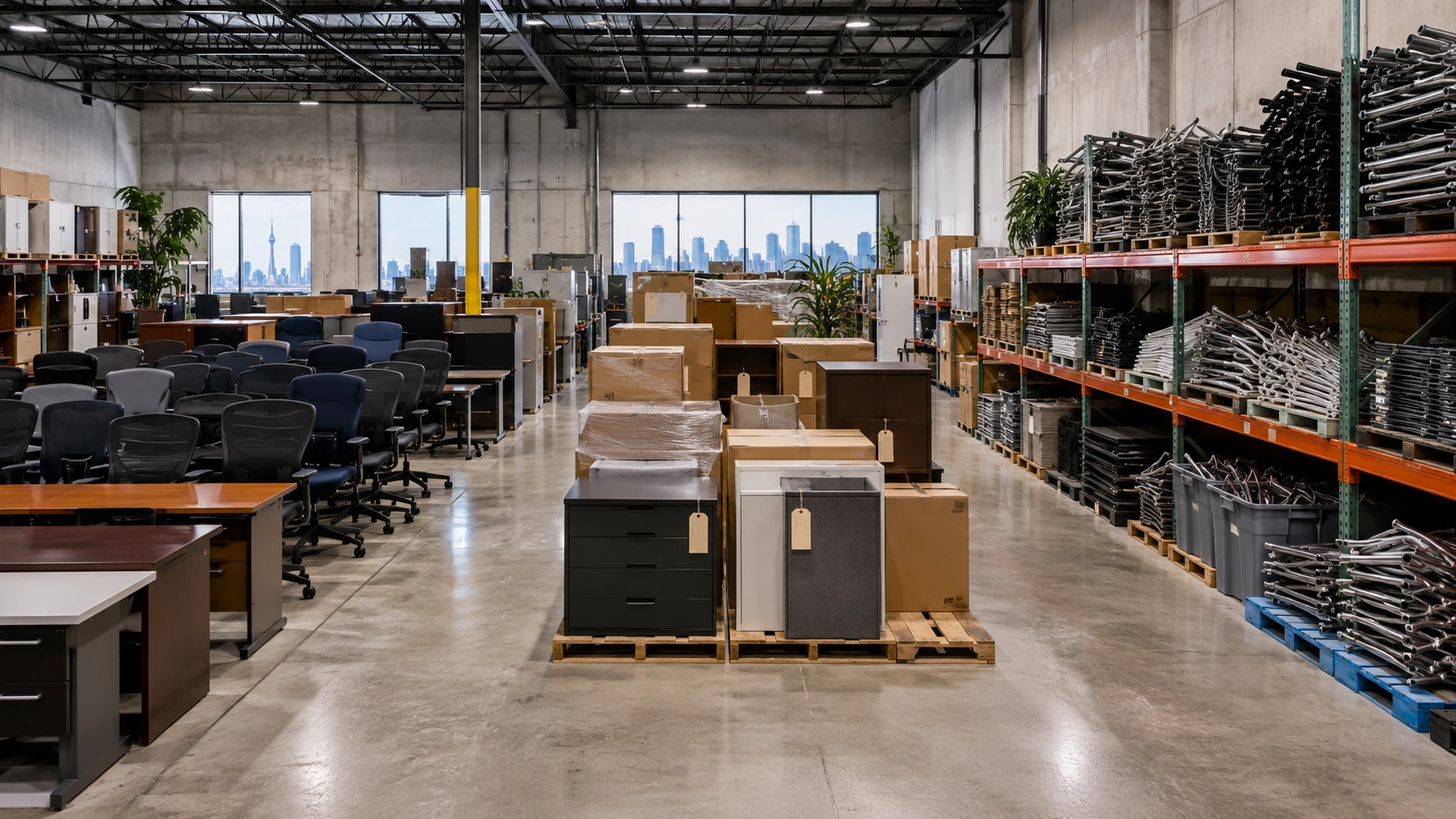
Office Furniture Disposal Costs Exposed: Landfill Fees, Labour, and Lost Value
What office furniture disposal actually costs in Canada: tipping fees, labour, transport, hidden surcharges, and the recovery value most quotes leave on the floor.
How Office Furniture Liquidation Supports Corporate ESG and Sustainability Goals
How office furniture liquidation contributes to ESG metrics, diversion targets, circular economy goals, and Scope 3 emissions reporting for Canadian businesses.
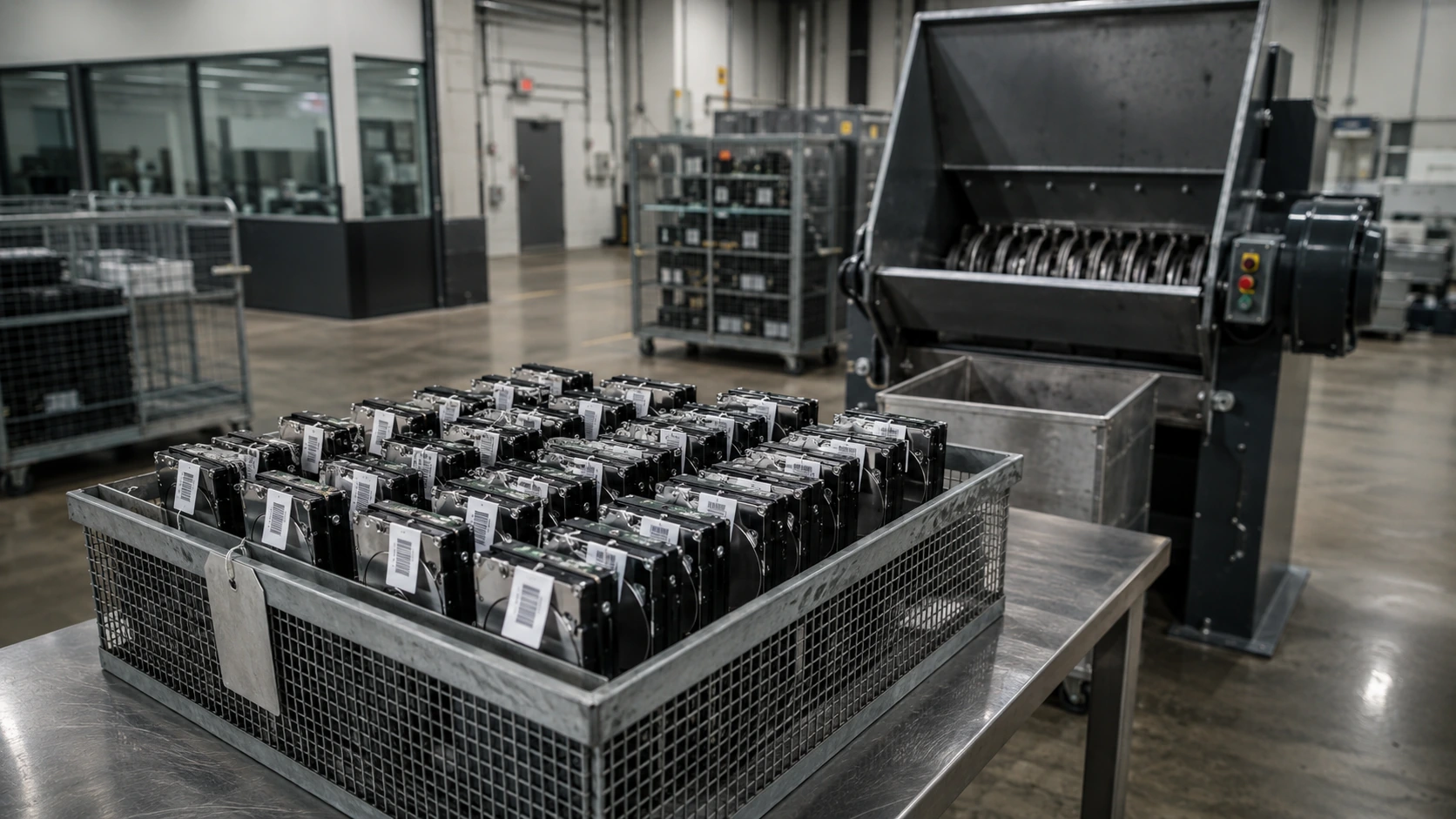
NIST 800-88 Explained: Data Destruction Standards for Canadian IT Liquidation
NIST 800-88 explained for Canadian IT liquidation: Clear, Purge, Destroy methods, decision criteria, PIPEDA overlap, and what compliant documentation looks like.
5 Signs You Need a Commercial Liquidation Partner, Not a Junk Removal Company
Most Canadian businesses hire a junk removal company when they actually need a liquidation partner. Five signs you are using the wrong vendor and what to do about it.
What Is Forced Liquidation Value?
The liquidation process can be a difficult stage for any business owner. There are staffing considerations, accounting procedures to be undertaken, not to mention the personal pressures involved in having your business liquidated.
How to Get the Most Out of Commercial Auctions
Toronto commercial auctions run by skilled local liquidators are an opportunity to access rare business equipment at affordable prices. Researching the liquidation process before you visit the auction house gives you the advantage.
Discover Quality Replacement Equipment at Warehouse Liquidation Auctions
Equipment and machinery are the lifeblood of your industrial company. Without these essential elements working to peak performance, your organization will be unable to meet its production targets.
What to Expect During a Business Liquidation
The decision to liquidate your business may not have been easy, but it can be made easier with the right partners and resources. When a company goes into liquidation, its assets are sold so that the creditors are paid what they are owed.
Our Liquidators Explain 5 Priorities When Liquidating Your Toronto Company
As you go through the liquidation process, you will likely face several challenges. Ensure that you prepare for your next step after each phase in the process is complete.
4 Important Things to Know When Planning for an Equipment Appraisal
Every business eventually comes to the point where they need to plan an equipment appraisal. It could be for auditing purposes, clearing unused inventory, downsizing, liquidation or bankruptcy.
4 Smart Things to Do With Excess Equipment
Most businesses dealing with the coming and going of market trends will be all too familiar with surplus inventory. Excess equipment can be a double-edged sword.
Why Appraisals Are so Important Before Auctions
Auctions are a great way to get rid of surplus inventory of any kind, including machinery, equipment and personal property. Not only are you able to sell your assets in bulk rather than individually, but you also get your money in cash and all in one go.
Debunking 4 Common Myths About Liquidation Auctions
Liquidation auctions are a great way to buy and sell various items in an easy, efficient, and cost-effective manner. Whether you’re looking to liquidate your unused stock or used inventory, auctions are a great way to recover your loss margins.
How to Prepare Machinery for a Liquidation Auction
If your business is considering liquidation and you deal with heavy machinery, then you’ll likely be familiar with liquidation auctions. If you’ve got surplus stock or items that you need to get rid of and want to make a quick buck while doing so, then machinery auctions are a great choice for you.
7 Things You Didn’t Know About Computer Liquidation
Running a business these days is linked heavily to technology. Whether you operate a store or an online presence, chances are that you’re using several different electronics.
How to Sell Excess Clothing Inventory
Fashion is an ever-changing industry and with every new trend, season, and sale comes excess inventory. This is something that all clothing retailers are familiar with.




.jpg)


.jpg)

