
Why You Should Hire A Professional Warehouse Liquidator
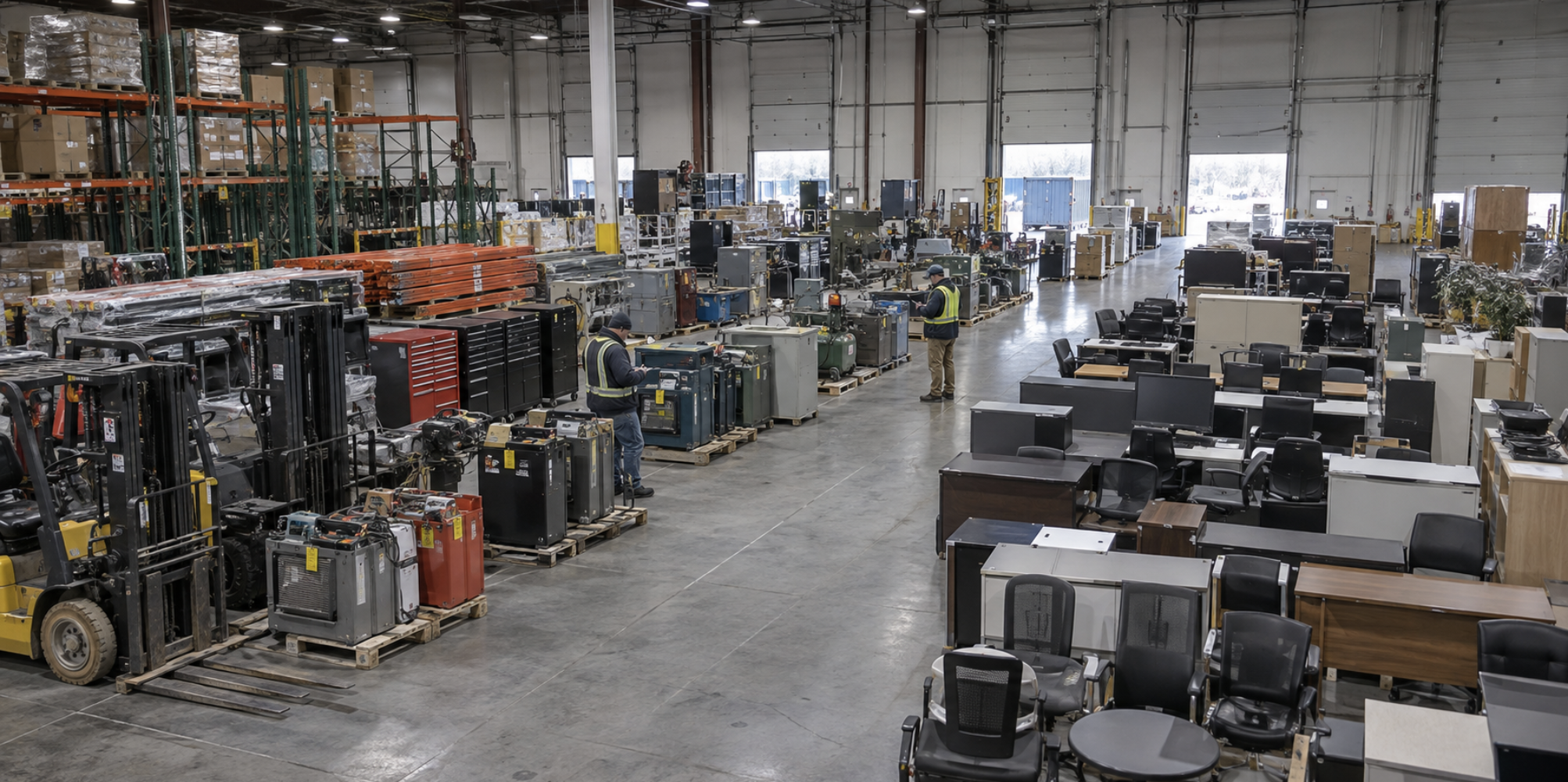
When a business is relocating, downsizing, facing bankruptcy, or upgrading its inventory, it may have to clear out some warehouse equipment. Warehouse liquidation is a serious business that can be pretty strenuous, demanding and time-consuming.
Why You Should Hire a Professional Warehouse Liquidator
A professional warehouse liquidator helps businesses sell surplus equipment and manage the work required to remove it. The main advantages are practical: experience with warehouse clearances, support recovering asset value, appropriate handling equipment, and less work for your internal team. Those capabilities become particularly useful during a relocation, downsizing, or equipment upgrade.
The decision should come down to the complete project, not just the cost of hiring a crew. Assess what your business needs to sell, what must be dismantled, and when the space needs to be clear. Then compare professional support with the time and resources required to manage those responsibilities internally.
1. Experience With Warehouse Equipment and Complex Removals
Warehouse liquidation involves more than collecting loose items. MGT’s warehouse decommissioning service, for example, includes equipment disconnection, racking teardown, fixture removal, and final cleanout. The work begins with an assessment of the installation and the site, followed by coordination of crews and building access.
That experience should translate into a plan specific to your facility. Ask the liquidator to explain the proposed removal sequence, identify any specialist work, and establish which equipment must remain available until later in the project.
Consider a partial warehouse downsizing. Before approving removal, identify the storage areas and handling equipment still needed for daily operations. Give those assets release dates rather than allowing a buyer’s preferred collection time to determine when they leave.
Look for experience that matches the work, not just a general claim of experience. Request examples of projects involving comparable equipment and access conditions. A useful discussion should address how your warehouse will be cleared, not simply how many clearances the company has completed.
2. Asset Sales Can Offset the Cost of Clearing the Warehouse
Hiring a liquidator creates a service cost, but selling the outgoing equipment can help offset that expense. The original purpose of professional liquidation is to recover value from assets rather than treat everything as a removal burden. Whether the proceeds cover part or all of the work depends on the project.
Professional sales support should begin with an assessment, not a promised return. MGT’s commercial liquidation process produces an inventory and recovery estimate, then selects a sales approach by asset category. Its warehouse buyer outreach includes racking dealers and used-equipment brokers.
When reviewing a proposal, keep three figures separate:
- Estimated recovery: What the equipment is expected to sell for under the proposed conditions.
- Project costs: What you will pay for the agreed sale and clearance work.
- Net result: What remains after those costs, or the balance your business still needs to pay.
Do not compare an estimated selling price with a fixed clearance quote as though both were guaranteed outcomes. Ask what happens if recovery is lower than expected and which expenses remain your responsibility.
The financial benefit is strongest when the proposal explains both sides of the transaction. A high equipment valuation is less useful if dismantling, transport, or unsold inventory has been left outside the calculation.
3. The Right Tools and Crew for Heavy Equipment
Moving large warehouse assets requires appropriate tools and handling resources. This is one of the central reasons to use an industrial equipment liquidator rather than assign the entire clearance to employees whose usual work does not include dismantling and removing installations.
Assess the crew and equipment as part of the proposal. MGT’s warehouse decommissioning service includes trained, insured industrial crews and professional teardown and disconnection work. For your project, confirm which tasks the provider will perform and which require separately arranged specialists.
Before work begins, establish:
- Handling responsibilities: Who dismantles, stages, loads, and transports each equipment category.
- Resources included: Which tools, lifting equipment, and crew requirements are covered by the quote.
- Site arrangements: Which access routes and working areas will be available during removal.
Avoid leaving these decisions until collection day. An agreement to buy the equipment should not substitute for an agreed method of getting it out of the building.
4. Less Coordination Work for Your Internal Team
A managed warehouse liquidation can bring crew scheduling, building access, transport planning, and asset removal under one point of contact. MGT’s warehouse service includes those responsibilities alongside the routing of equipment to resale, recycling, or disposal.
The sales work also needs an owner. MGT’s commercial liquidation process covers buyer outreach and transaction coordination, including preparing sale information, negotiating direct offers, and arranging collection. These activities belong in the scope alongside the physical clearance.
To make that support useful, agree on the decisions your team still needs to make. Identify who can approve an offer, confirm an asset’s release, or authorise a change to the removal scope.
Ask for progress updates against defined milestones rather than a general assurance that everything is being handled. Track the sale, collection, and final clearance separately. That gives management visibility without requiring it to coordinate every task.
Frequently Asked Questions About Hiring a Warehouse Liquidator
What warehouse equipment should be included in the initial assessment?
Include racking, conveyors, shelving, storage carousels, and mezzanines where applicable. These are all categories MGT identifies for liquidation assessment. Listing an asset does not establish that it will sell, but it gives the liquidator the information needed to evaluate it before removal decisions are made.
Should you contact a liquidator before dismantling the equipment?
Yes, arrange the assessment first where practical. MGT’s warehouse process begins with a consultation and asset evaluation before removal planning. Ask what information or inspections are needed while equipment is still installed, then agree on the dismantling scope.
What happens to equipment that does not sell?
Confirm the fallback in the written scope. MGT’s warehouse service includes resale, recycling, and disposal routes. Establish which remaining assets will be removed, how they will be handled, and whether that work is included in the quoted price.
Does liquidation include leaving the warehouse ready for handover?
Only rely on the completion standard agreed for your project. MGT’s warehouse decommissioning service includes debris removal, a broom-clean finish, and a final walkthrough. Provide any building-specific requirements when requesting the quote so they can be addressed explicitly.
Ready to Plan Your Warehouse Liquidation?
Michael’s Global Trading provides warehouse liquidation across Toronto and Canada, combining equipment assessment and buyer outreach with coordinated removal. We review the inventory, layout, and deadline before developing the project plan.
Contact us with photographs, an equipment list, and your required completion date. Identify anything that needs to remain in use, and we’ll assess the outgoing assets and outline the sale and clearance work around your schedule.
Recommended Readings
Types of Warehouse Equipment That Can Be Liquidated covers the main equipment categories to include in an asset assessment.
What Does a Commercial Liquidation Company Actually Do? A Process Breakdown explains the work from the initial inventory through sales and final clearance.
Recommended readings:

Blogs & News

Get started on
your journey with us.