
100,000 Sq Ft Warehouse Cleared Under a Tight Deadline: How Strategic Liquidation Makes It Possible
Clearing a 100,000 sq ft warehouse under a tight deadline requires more than basic removal. Learn how structured warehouse liquidation services streamline assessment, parallel workstreams, and asset recovery to meet lease timelines, reduce waste, and recover value efficiently.
Clearing a 100,000 square foot warehouse on a tight deadline is never a simple cleanout. It’s a complex, high-pressure project that involves racking, equipment, inventory, and years of accumulated materials. When timelines are short, the difference between a smooth closeout and a costly delay comes down to planning, sequencing, and execution. This is exactly where warehouse liquidation services create structure and speed without sacrificing value recovery.
- Tight deadlines demand a coordinated plan, not last-minute hauling
- The right approach protects both timelines and asset value
The Reality of a Large Warehouse Closeout
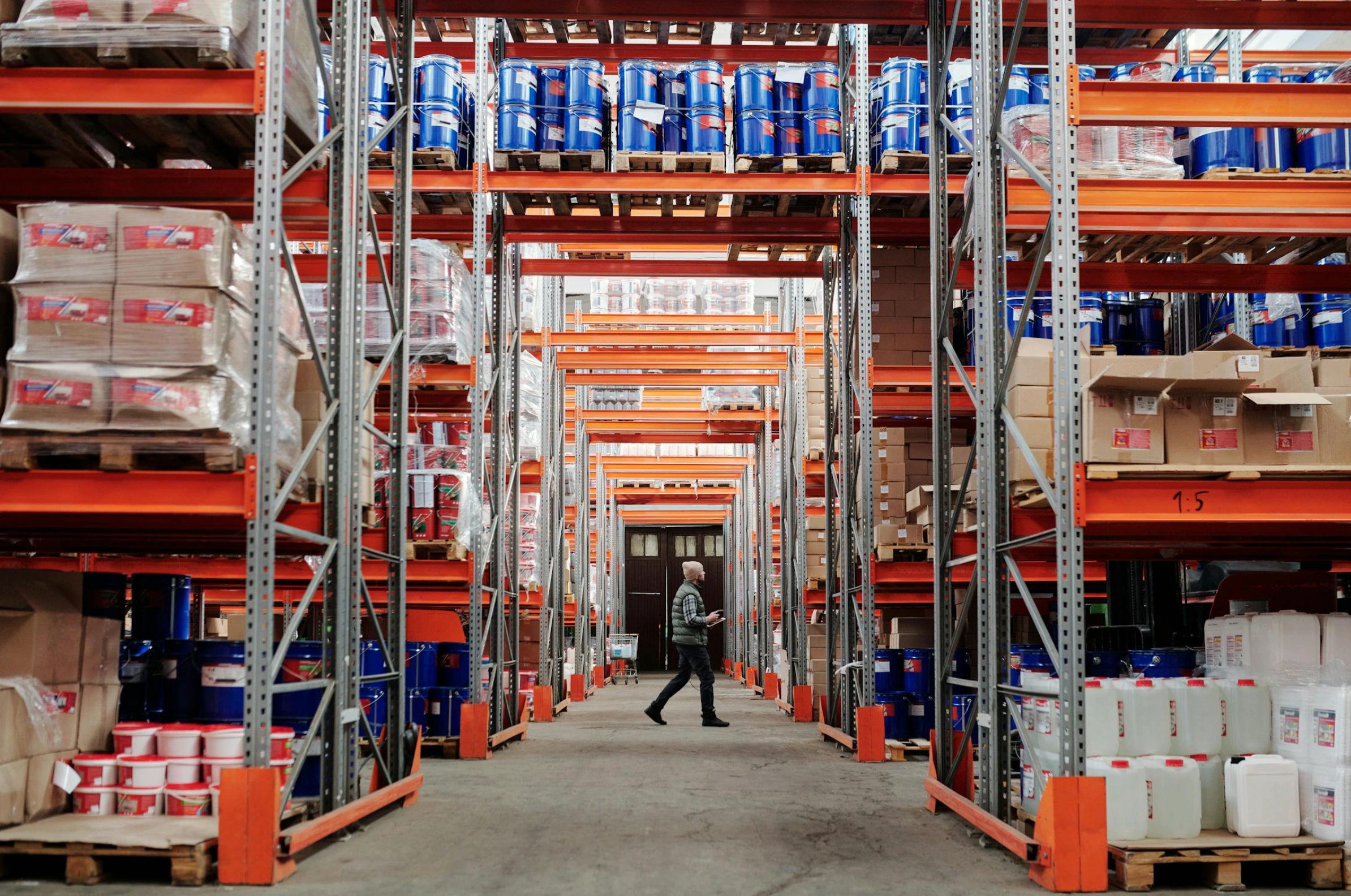
Warehouses of this size often contain pallet racking systems, material handling equipment, surplus inventory, staging areas, and office zones. On top of that, there are usually building constraints like dock schedules, forklift traffic, landlord rules, and limited access hours. Without a structured removal plan, these factors can slow progress quickly.
- Multiple asset types require different removal methods
- Access restrictions can become bottlenecks if not planned early
Step One: A Fast, Clear Assessment
When deadlines are tight, clarity is everything. The first priority is a walk-through that identifies what can be resold, what should be recycled, and what must be removed immediately. A project plan built through warehouse liquidation services helps ensure assets are routed efficiently and the removal sequence is clear before crews arrive.
- Early scoping prevents time-wasting surprises mid-project
- Asset routing improves recovery and speeds up clearance
Step Two: Parallel Workstreams, Not One-Task-at-a-Time
The biggest time saver in large warehouse exits is running multiple workstreams at once. Instead of waiting for inventory to clear before dismantling racking, teams can work in separate zones. While one crew breaks down pallet systems, another handles inventory consolidation, and another begins removing non-recoverable materials. Studies consistently show that delays are the leading cause of cost overruns in large facility transitions, which is why parallel workstreams are essential under tight warehouse exit timelines. (ETASR)
- Parallel work reduces downtime between phases
- Multiple crews prevent one task from stalling the whole project

Step Three: Liquidation as a Time and Cost Strategy
Liquidation is not only about recovering value. It also speeds up decision-making by creating a clear path for marketable assets. Rather than defaulting to disposal, usable racking, equipment, and certain inventory categories can be evaluated and moved into resale channels through structured warehouse liquidation services. When liquidation is planned early, organizations recover 35–45% of book value on average, turning what looks like a cleanout into a meaningful cost-offset instead of a write-off. (NBER)
- Resale reduces disposal volume and cuts hauling costs
- Value recovery offsets the cost of clearing the facility
Step Four: Site Clearance and Closeout Readiness
As assets are removed, the site should be cleared progressively. This prevents last-day pileups and ensures the warehouse becomes inspection-ready as early as possible. A clean closeout typically includes sweep-throughs, debris removal, and documentation for landlord handback.
- Progressive clearing keeps the project moving forward
- Closeout documentation supports a smoother lease handback
Why Michael’s Global Trading Helps in Tight Deadline Projects
When timelines are compressed, coordinating multiple vendors can slow everything down. Michael’s Global Trading brings assessment, liquidation, removal, and reporting together under one plan. This reduces communication gaps and keeps execution controlled from the first day of work until final closeout.
If your warehouse exit involves racking, equipment, and inventory under pressure, warehouse liquidation services provide the organized process needed to hit deadlines while still recovering value.
- One partner simplifies schedules, crews, and reporting
- Coordinated execution reduces risk of delays and penalties
Quick Recap
- Large warehouse exits are complex, especially under tight deadlines
- Early assessment and routing decisions are essential
- Parallel workstreams reduce downtime and speed up clearance
- Liquidation reduces waste and improves cost recovery
- Warehouse liquidation services support both speed and value recovery
- Michael’s Global Trading provides end-to-end coordination for large-scale projects
Tight Deadlines Are Manageable With the Right Structure
Clearing a 100,000 square foot warehouse quickly is achievable when the project is run as a structured operation, not a rushed cleanout. With planning, parallel execution, and professional warehouse liquidation services, businesses can meet tough timelines, reduce waste, and recover value instead of writing assets off. For companies facing a compressed warehouse exit, Michael’s Global Trading helps turn pressure into a controlled, predictable outcome.
Recommended readings:

Blogs & News


Get started on
your journey with us.