
DIY Liquidation vs. Professional Service: Which Path Guarantees Maximum Commercial Asset Recovery?
When it’s time to clear a facility, exit a lease, or upgrade equipment, the goal is simple: recover the most value with the least risk. In practice, commercial asset recovery is a complex mix of valuation, safety, data security, logistics, resale channels, and documentation. That’s why the choice between DIY and professional service matters—and why partnering with a specialist like Michael’s Global Trading usually wins out on both net recovery and risk.
True Valuation vs. Guesswork
Professional liquidators grade assets, identify high-value SKUs, match lots to the right buyers, and time sales to real demand. Research from the National Bureau of Economic Research (NBER) shows that, on average, firms recover about 44% of book value on inventory and roughly 35% on property, plant, and equipment (PPE) in liquidation—meaning there’s real money at stake if assets are mispriced or routed to weak channels.
- Pros rely on market data, comparables, and buyer networks to lift bids
- DIY efforts often underprice strong assets and overprice weak ones
Speed, Scale, and Logistics
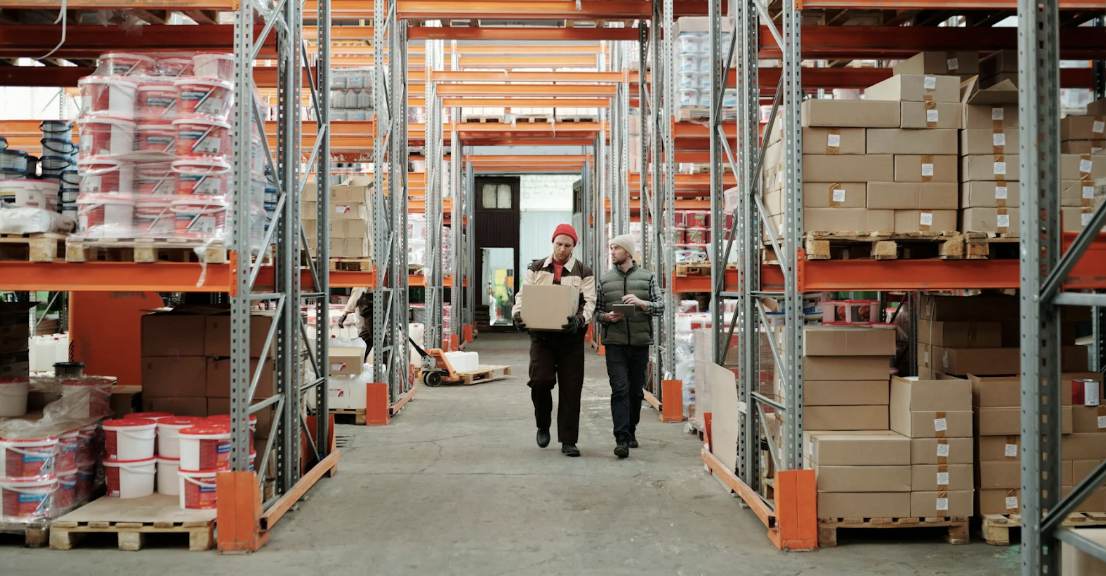
Coordinating crews, docks, carriers, crating, and schedules across one or multiple sites is a full-time job. Professional teams sequence removal so there’s always a safe path of travel, pre-palletize and label loads for buyers, and consolidate freight to cut handling and transport costs. Organization is key to commercial asset recovery.
- Faster, cleaner clear-outs mean fewer labor hours and less downtime
- DIY delays (permits, carriers, staging) quietly chip away at recovery

Safety and Compliance
Asset removal touches energized equipment, working at height, and heavy lifts. A misstep can result in injuries, fines, or property damage. Professional programs apply structured safety procedures and documented work plans, not improvised methods.
- Safer removals protect people, facilities, and timelines
- DIY crews often lack the safety record and documentation landlords and insurers expect
Data Security and Chain of Custody
Whenever IT, PLCs, or drives are involved, data sanitization becomes critical. Professionals follow guidelines for media sanitization and maintain clear chain-of-custody from rack to recycler or buyer, so sensitive information isn’t left behind on retired assets.
- Certified wiping or destruction protects brand and compliance posture
- DIY erasure or “delete and hope” approaches expose you to breach risk
Channel Access and Price Integrity
Recovery depends heavily on where assets are sold or placed: local buyers, national networks, designer channels, online marketplaces, export, or certified recyclers. Professionals can steer sensitive SKUs away from channels that would undercut your core pricing while maximizing value in the right markets.
- Wider, controlled channels = stronger net prices and brand protection
- DIY resales can leak into gray markets and undermine price integrity
Documentation and Close-Out
Landlords, insurers, finance, and ESG teams all expect proof: photo logs, serial lists, bills of lading, manifests, and diversion reports. Professional liquidation packages this documentation so audits and lease hand-backs move quickly and deposits are protected.
- Clean records support smooth lease exits and compliance audits
- DIY often lacks consistent paperwork, leading to disputes and rework

Sustainability and Public Commitments
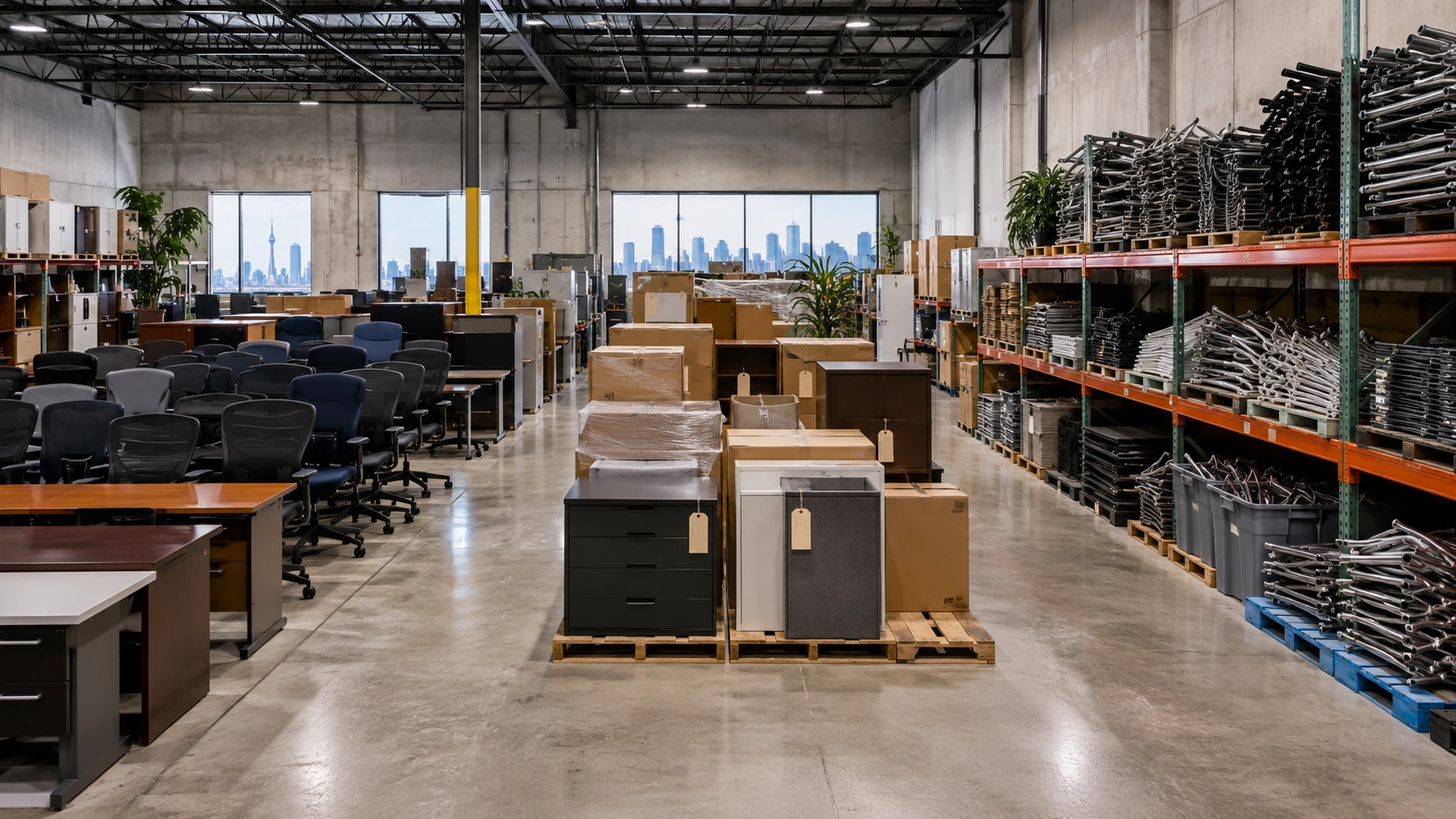
In the U.S., furniture and furnishings alone generate about 12 million tons of waste annually, with most still landfilled, according to the EPA. A professional partner can prioritize reuse, donation, and certified recycling to support your ESG targets and RFP narratives.
- Verified diversion is good for both environmental impact and stakeholder reporting
- DIY disposal tends to rely more on landfill and misses reuse opportunities
The Business Case for a Specialist (Michael’s Global Trading)
In the end, what guarantees maximum recovery is orchestration—valuation, removal, data security, channel placement, and documentation all handled by one accountable partner. That’s where Michael’s Global Trading excels. Michael coordinates everything from onsite assessment through resale, recycling, and final reporting, so your team stays focused on running the business, not running a liquidation.
- One plan, one schedule, one documentation set—no piecemeal vendors
- Higher, faster, safer recovery across furniture, IT, racking, and machinery
Quick Recap
- Valuation: Pros outperform ad-hoc pricing; NBER shows average recovery ~44% for inventory, ~35% for PPE.
- Execution: Professional logistics compress timelines and reduce labor; DIY delays quietly erode net recovery.
- Risk: Safety, data sanitization, and compliance are must-haves, not DIY experiments.
- Channels & ESG: Professional networks and EPA-aligned reuse/recycling deliver better prices and sustainability outcomes.
- Outcome: A specialist like Michael’s Global Trading typically produces higher net asset recovery with less risk and less internal effort.
Recommended readings:

Blogs & News


Get started on
your journey with us.