
How Electronics Liquidation Helps Companies Upgrade Without Waste
Upgrading technology is part of running a modern business, but replacing old devices often creates a new challenge. With the right structure in place, businesses can upgrade confidently while keeping old assets from becoming wasted space or wasted value.
Upgrading technology is part of running a modern business, but replacing old devices often creates a new challenge. Outdated laptops, monitors, phones, servers, and networking hardware can pile up quickly, taking up valuable space and creating avoidable waste. That is where equipment liquidation becomes an important part of a smarter upgrade strategy. Instead of treating old electronics like clutter, businesses can recover value, clear space, and move useful materials back into circulation through proper resale, reuse, and recycling. The EPA explains that electronics can often be reused, donated, or recycled instead of being sent straight to disposal.
A successful technology upgrade should not stop once the new equipment arrives. It should also include a clear plan for what happens to outgoing assets. With the right process, businesses can modernize without creating unnecessary waste or losing sight of the value still tied up in retired devices. Companies such as Michael's Global Trading help businesses make that transition more efficiently by treating old electronics as assets to manage, not just items to remove.
Old Electronics Still Have Business Value
When a company upgrades its systems, it is easy to focus entirely on the incoming technology and overlook what is being replaced. That often leads to old electronics sitting unused in storage rooms or being handled too late to recover much value. In many cases, though, those devices still have resale, reuse, or material recovery potential. A structured equipment liquidation plan allows businesses to assess what can be remarketed and what should move into more responsible recycling streams.
That matters because even older electronics may still serve a purpose in secondary markets or refurbishment channels. Rather than viewing every retired device as waste, companies should look at them as part of the total return on an upgrade. Michael's Global Trading can support this process by helping businesses sort, evaluate, and move electronics through an organized liquidation strategy.
- Review outgoing electronics before deciding they have no value.
- Separate reusable assets from items that are ready for recycling.

Equipment Liquidation Helps Offset Upgrade Costs
Technology upgrades are expensive. Replacing equipment across an office or multiple locations can require a major investment, especially when computers, monitors, accessories, and infrastructure are all being updated at once. A well-managed equipment liquidation project helps reduce that burden by recovering value from outgoing assets instead of allowing them to sit idle or go to waste.
This is especially useful for businesses upgrading at scale. Even when individual devices no longer hold premium resale value, bulk quantities of electronics can still represent meaningful recovery potential. A company that plans its outgoing asset strategy before the new equipment rollout is in a much better position than one that waits until old devices become forgotten surplus.
- Create an asset list before new equipment is fully installed.
- Schedule liquidation early so older devices do not lose more value through delay.
Data Security Has To Be Part of the Process
One reason some businesses hesitate to move old electronics quickly is concern about sensitive information. That concern is justified. Laptops, desktops, servers, and storage devices can contain business records, employee details, or client data that must be handled carefully before any transfer or resale. The NIST media sanitization guidance makes it clear that stored data should be rendered inaccessible through proper sanitization methods before devices leave an organization’s control.
That means equipment liquidation should never be treated as a simple pickup process. Businesses need to separate data-bearing assets from standard accessories and ensure their IT teams have completed the appropriate review. Once that step is done, the rest of the liquidation process becomes much easier to manage responsibly.
- Keep data-bearing devices on a separate approval path.
- Make sanitization part of your upgrade checklist before removal begins.
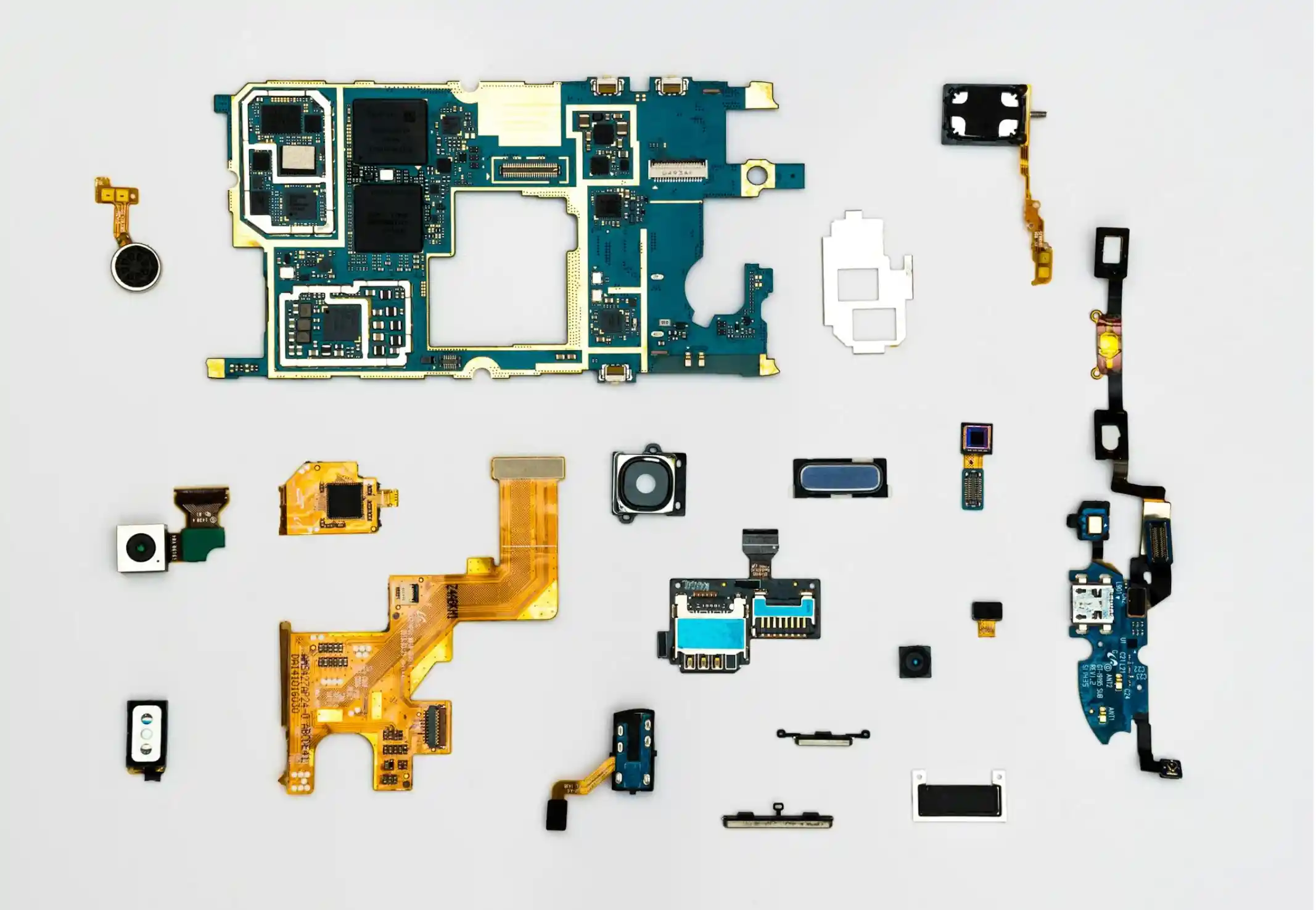
Liquidation Helps Reduce Waste During Tech Upgrades
Technology refreshes can generate a surprising amount of waste if there is no plan for the outgoing equipment. Devices that still have usable parts, refurbishment potential, or recyclable materials should not be treated the same as ordinary garbage. A more responsible approach supports both operational efficiency and broader sustainability goals. The EPA’s overview of the circular economy highlights the importance of keeping materials in use for as long as possible and reducing waste across the product life cycle.
That is why equipment liquidation fits so well into a modern upgrade strategy. It gives businesses a way to remove old electronics without defaulting to landfill-first thinking. For companies trying to modernize while also managing waste more responsibly, this approach makes practical and financial sense. Michael's Global Trading helps businesses navigate that transition by aligning liquidation with both upgrade timelines and responsible asset handling.
- Include resale, reuse, and recycling options in your upgrade plan.
- Treat outgoing electronics as part of a broader waste-reduction strategy.
Timing Matters More Than Most Companies Think
A business upgrade is easier to manage when incoming and outgoing assets are planned together. If old equipment is left in place for too long, offices become cluttered, storage fills up, and teams lose visibility into what still has value. If it is removed too early, operations can be disrupted before replacement systems are ready. The best results come from coordinating equipment liquidation with the upgrade schedule itself.
That timing helps companies stay organized and avoid unnecessary downtime. It also allows teams to prepare records, review assets, and clear devices properly before pickup or transfer. With the right plan, electronics liquidation becomes part of a smooth transition rather than a rushed cleanup after the fact.
- Match liquidation timing to your installation schedule.
- Avoid waiting until surplus equipment becomes disorganized or inaccessible.
Smarter Upgrades Need a Smarter Exit Strategy
A technology upgrade should improve efficiency, not create a back-end waste problem. When companies include equipment liquidation in the planning process, they make it easier to recover value, manage data security, and reduce unnecessary disposal. That turns outdated electronics from a burden into part of a more organized and responsible transition.
With the right structure in place, businesses can upgrade confidently while keeping old assets from becoming wasted space or wasted value. Instead of treating retired electronics like an afterthought, they can use liquidation to support a cleaner, more strategic path forward.
Recommended readings:


Blogs & News


Get started on
your journey with us.