
Scrap and Metals in Liquidation: How to Recover Value Without Slowing the Timeline
Scrap and metal recovery does not have to slow office or facility clearouts. Learn how integrating scrap into sustainable office decommissioning helps recover value, reduce landfill waste, and keep tight timelines on track through coordinated planning and responsible recycling.
Scrap and metals are often treated as the last step in a clearout. That is where timelines slip and value gets missed. When scrap routing is built into sustainable office decommissioning from day one, metal recovery becomes a parallel workstream that supports speed, compliance, and measurable diversion. Michael’s Global Trading plans scrap the same way it plans furniture and IT routing so projects stay fast and outcomes stay documented.
- Scrap recovery should run alongside removal, not after it
- Early routing protects both deadlines and recovery value
Why scrap slows projects when it is left to the end
If scrap is not planned, it piles up in hallways, loading areas, and staging zones. Crews lose time rehandling materials, bins arrive late, and final sweeps turn into bottlenecks. A structured approach assigns scrap zones, bin schedules, and pickup windows up front so metal never blocks the main workflow.
- Unplanned scrap creates congestion and rework
- Scheduled bins and pickups keep the floor moving

The value is real, and it is hiding in plain sight
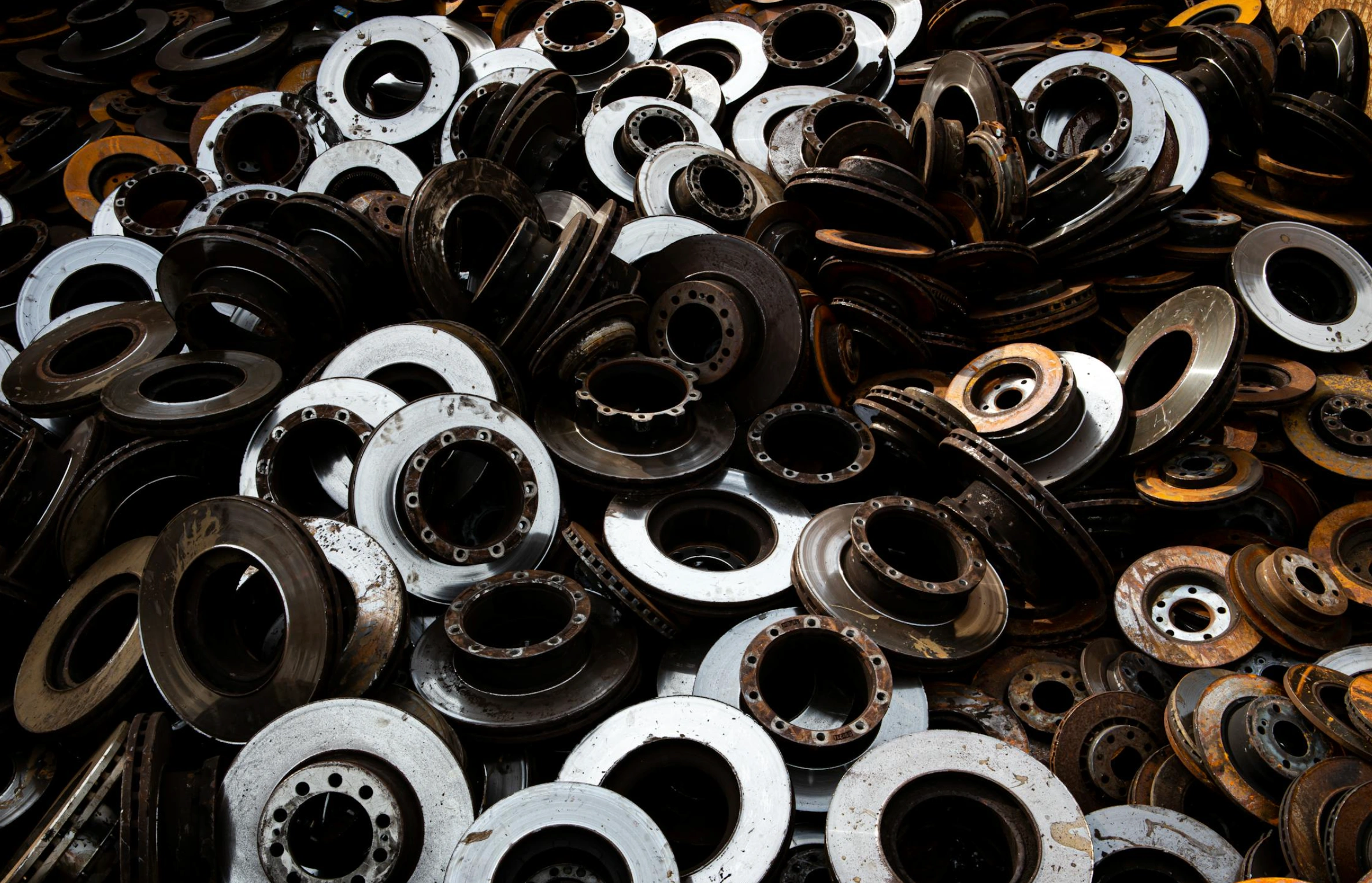
Most offices contain recoverable metal in desks, filing cabinets, shelving, cable trays, brackets, and fixtures. The key is separating metal cleanly and quickly so it can be routed to recycling without mixing contamination. Michael’s Global Trading builds this into the initial scope so metal value is captured without interrupting clearance.
- Metal recovery improves net results without slowing the project
- Sorting early prevents last-minute disposal decisions
Recycling metals is one of the fastest sustainability wins
Recycling aluminum delivers major efficiency gains. The International Aluminium Institute reports that recycling aluminum uses about 95.5% less energy than primary production. That is why scrap routing fits naturally into sustainable office decommissioning when ESG and landfill diversion matter.
- Aluminum recycling provides a measurable emissions and energy impact
- Metal diversion supports ESG reporting with credible outcomes
Steel is the backbone of most office scrap streams
Steel shows up everywhere in commercial interiors, especially in cabinets, frames, shelving, and hardware. The World Steel Association notes steel is the most recycled material globally, with about 800 million tonnes recycled in 2021. This scale matters because it confirms strong, established recycling infrastructure for the metals most offices generate.
- Steel recycling is mature and widely supported by existing infrastructure
- Large volumes of global recycling reinforce the reliability of the channel
Scrap recovery also reduces landfill exposure and disposal costs
Even when an exit focuses on speed, landfill should not be the default. The U.S. EPA reports 12.1 million tons of furniture and furnishings were generated in municipal solid waste in 2018. Metals are a major component of that stream, and routing them to recycling reduces both disposal volume and reputational risk.
- Less landfill volume means fewer hauling costs and fewer surprises
- Recycling metals supports responsible diversion during closeouts
How Michael’s keeps scrap from slowing the timeline
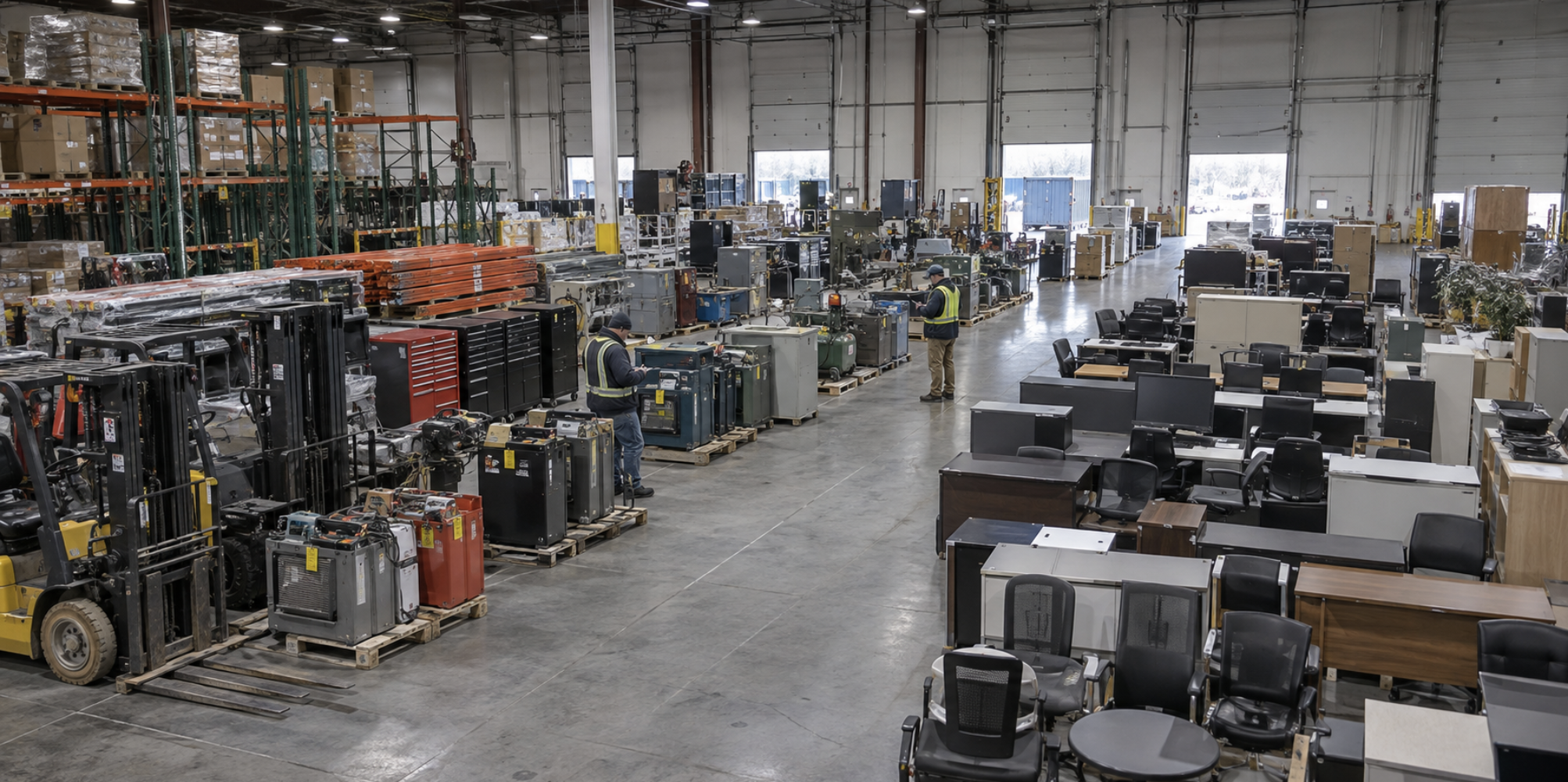
The goal is simple: scrap is collected, staged, and removed in parallel with other removal tasks. Michael’s Global Trading coordinates bins, pickup frequency, and material sorting so the project never pauses for scrap. This is why clients prefer one partner to manage resale, recycling, and reporting under one plan.
- Parallel scrap handling prevents bottlenecks near the finish line
- One coordinated schedule keeps accountability clear and simple
Quick Recap
- Scrap becomes a bottleneck when it is handled at the end instead of planned early.
- Recycling aluminum saves about 95.5% of the energy versus primary production.
- Steel is the most recycled material globally, with about 800 million tonnes recycled in 2021.
- Furniture and furnishings generated 12.1 million tons of municipal solid waste in 2018.
- Michael’s Global Trading integrates scrap routing into sustainable office decommissioning so value recovery does not slow deadlines.
Recover Metal Value Without Trading Away Speed
Scrap and metals should not be the messy last chapter of a clearout. When metals are routed early through sustainable office decommissioning, they become a predictable recovery stream that supports both the timeline and the sustainability story. With Michael’s Global Trading coordinating resale, removal, and recycling in one schedule, scrap value is recovered without adding days to the project.
Recommended readings:

Blogs & News
Get started on
your journey with us.