
How to Prepare an Office for Liquidation Without Disrupting Operations
Prepare for office liquidation with an asset inventory, phased pickups, employee updates, and separate IT handling to keep daily operations running.
Preparing an office for liquidation while your business is still running takes more than simply removing desks and chairs. If the process is rushed, teams lose access to workstations, meetings become harder to manage, and productivity can slip. A well-planned office furniture liquidation project should do the opposite. It should help your business stay organized, protect daily workflows, and recover value from assets you no longer need.
Whether you are downsizing, relocating, renovating, or closing a workspace, the best approach is to treat liquidation like an operational transition. With the right plan in place, companies can keep staff focused while clearing out surplus furniture and equipment in a controlled way. That is where an experienced partner like Michael's Global Trading can make a real difference by helping businesses move through the process without unnecessary disruption.
Start With a Full Asset Review
Before any liquidation begins, you need a clear picture of what is staying and what is leaving. This step prevents confusion later and keeps important furniture from being removed too early. Go through the office area by area and separate assets into categories such as keep, relocate, liquidate, donate, recycle, or dispose.
This review should include desks, chairs, cubicles, storage units, boardroom furniture, reception pieces, and any extra equipment that no longer supports operations. A structured inventory process is especially important in offices adjusting to hybrid work and changing space needs, something workplace leaders continue to monitor closely (IFMA workplace planning insights).
- Create a room-by-room inventory before any work begins.
- Get approval from department leads so nothing essential is removed by mistake.
Build a Phased Liquidation Plan
One of the biggest mistakes companies make is trying to clear the entire office at once. That usually creates confusion for staff and puts pressure on the business to adapt too quickly. A phased plan works much better.
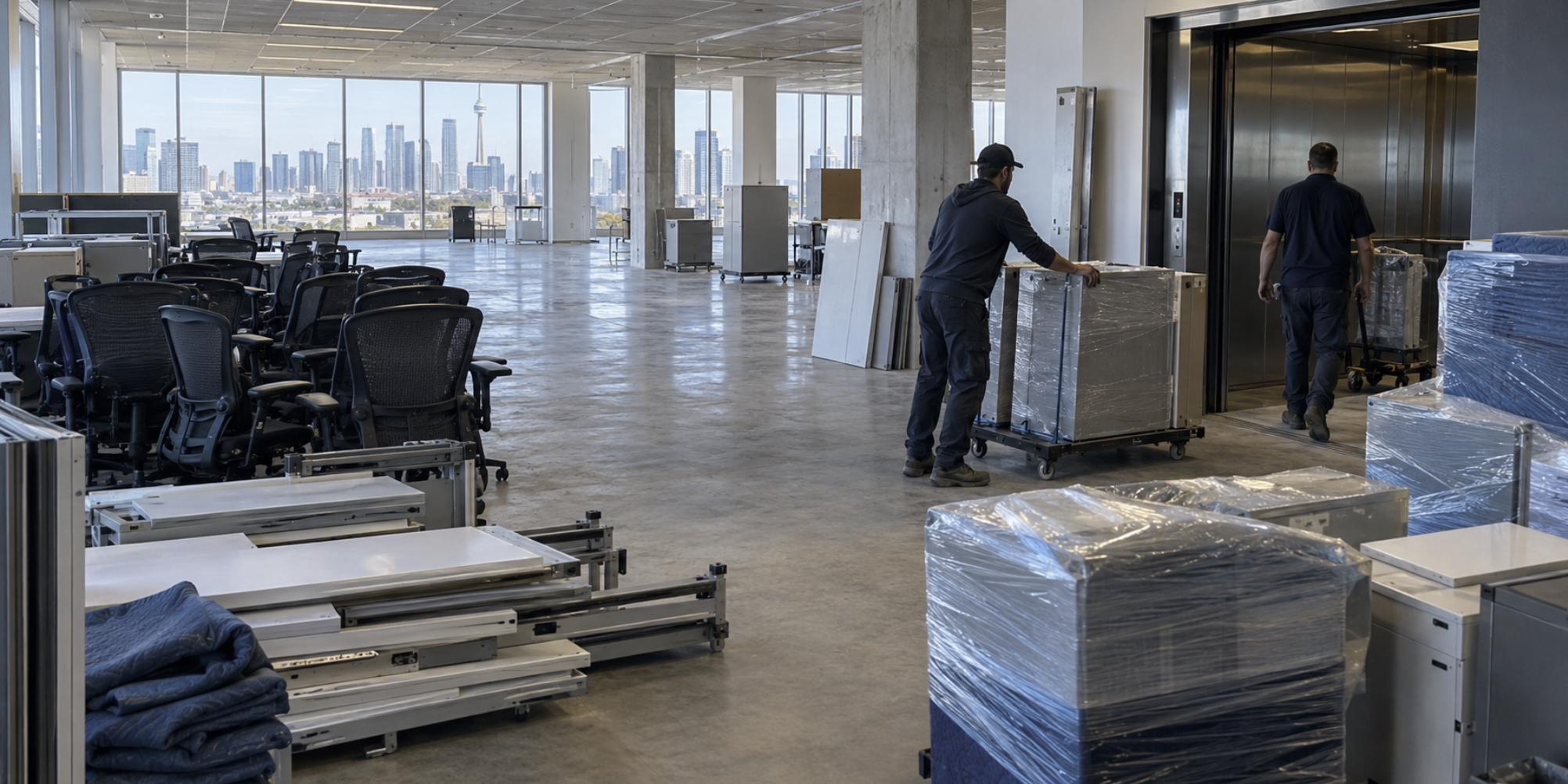
Start with low-impact zones such as storage rooms, empty offices, unused furniture, or areas already scheduled for change. Once those spaces are cleared, move into active work areas in stages. This allows employees to keep working while the project progresses around them. A phased office furniture liquidation plan also gives leadership more control over timing, access, and internal adjustments.
Communicate With Employees Early
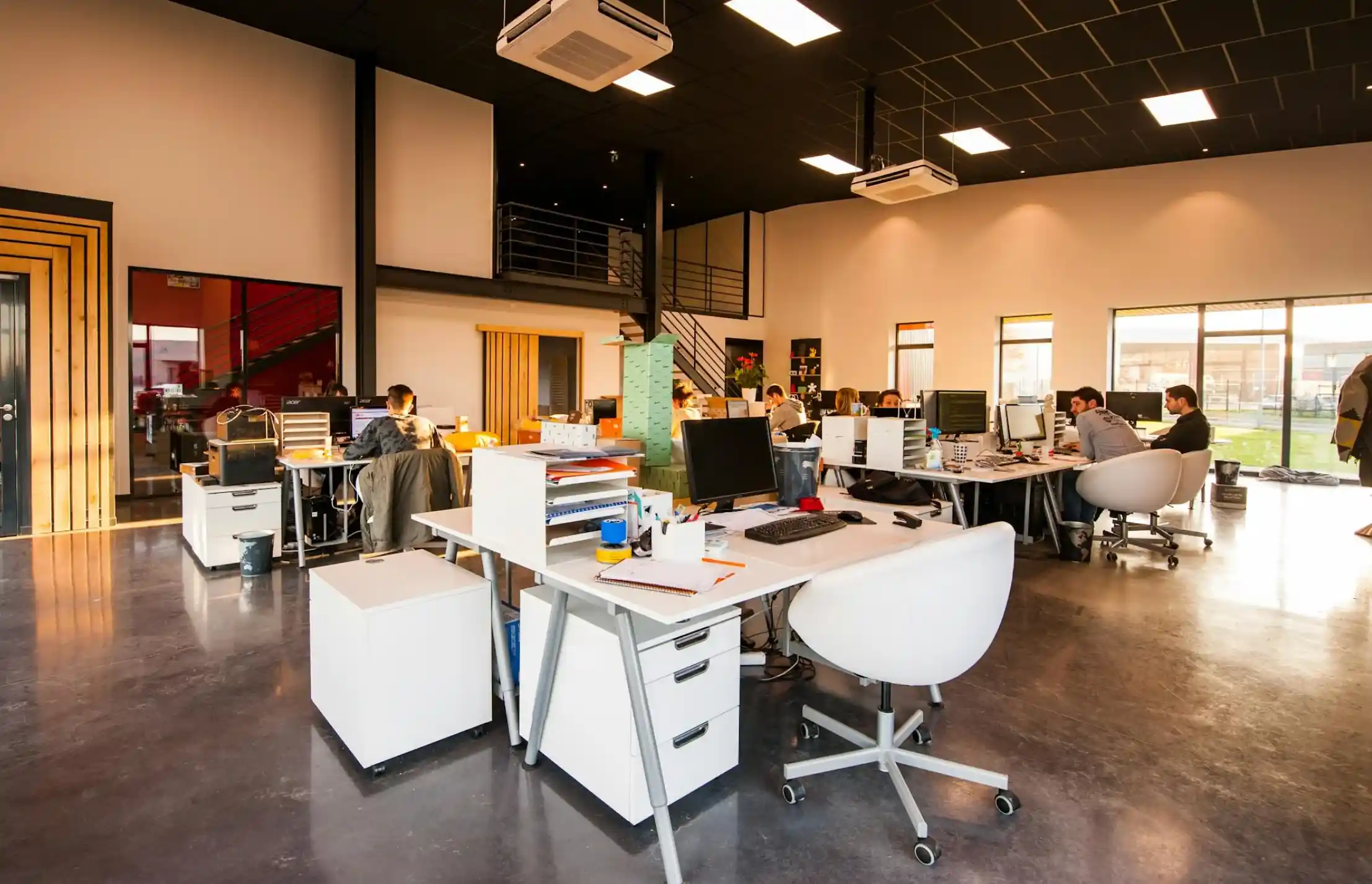
Even a well-managed liquidation can feel disruptive if employees do not know what is happening. Clear communication helps prevent frustration and keeps everyone aligned. Staff should know which areas are affected, when removals will happen, and whether any temporary seating or meeting changes are expected.
Managers should also have a direct contact for questions so small issues can be resolved quickly. In many cases, communication matters just as much as logistics. If teams know what to expect, they are much more likely to stay productive during the transition.
For relocations, see our guide to preparing employees for an office move.
- Share a simple timeline with employees before liquidation starts.
- Assign one internal project lead to coordinate updates with staff and vendors.
Protect Essential Work Areas
Not every asset should be removed early in the process. Workstations, shared desks, conference tables, and storage used every day should remain in place until the final stage. The goal is to keep the office functional for as long as possible.
This is especially important if your business is still meeting clients, onboarding staff, or working through a busy period. Protecting essential spaces allows the company to continue operating normally while less critical areas are cleared first. Michael's Global Trading often supports these staged projects by helping businesses sequence liquidation around their actual workflow rather than forcing a rushed shutdown.
- Keep critical desks and meeting spaces active until replacements are ready.
- Delay removal in high-use zones until teams can transition smoothly.
Prepare Furniture for Fast Pickup and Evaluation
The more organized your assets are, the easier the liquidation process will be. Furniture should be grouped by type, counted in advance, and made accessible for review and removal. This saves time and helps create a more efficient pickup schedule.
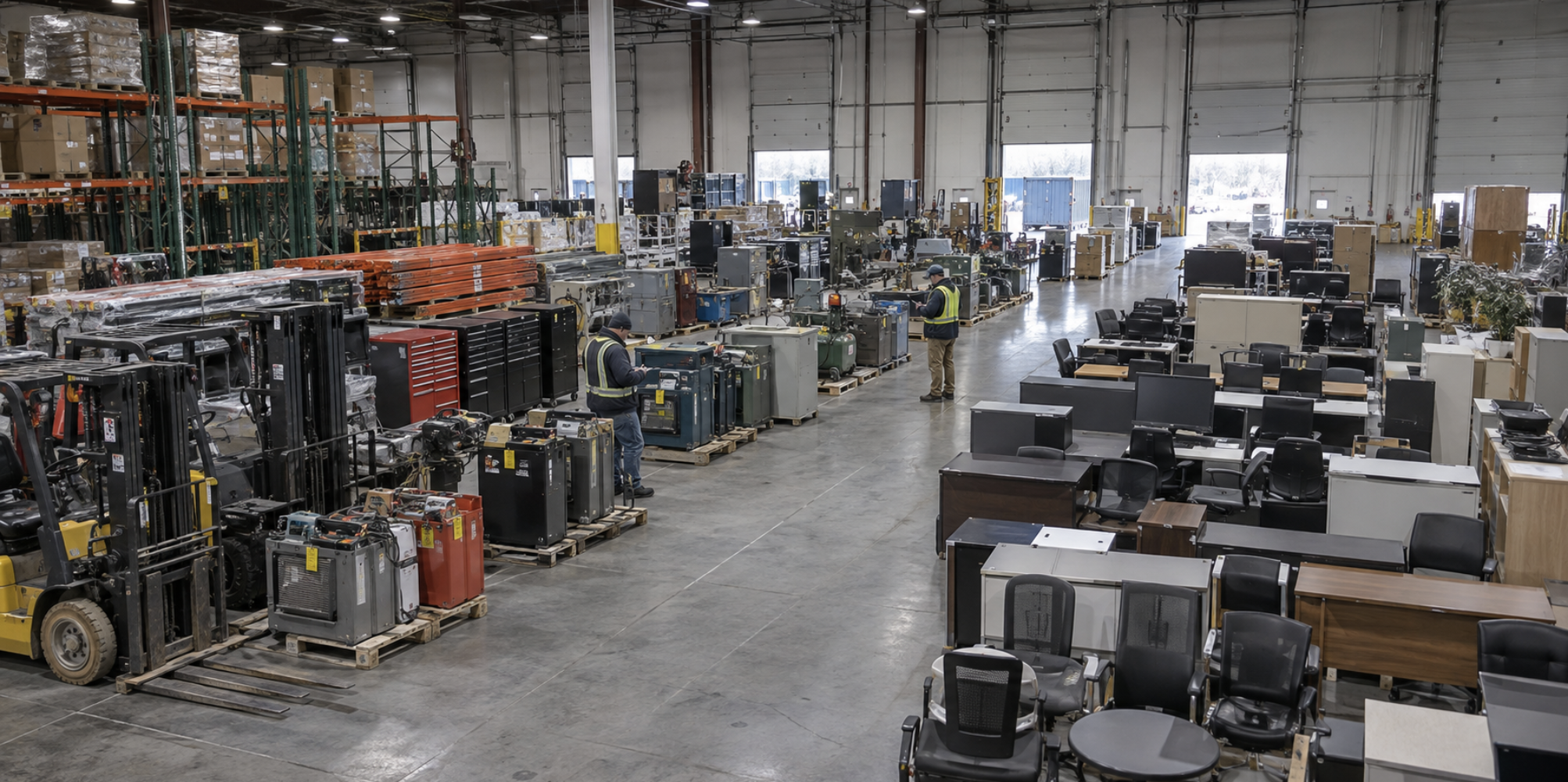
It also improves your chances of recovering value. Organizations like the U.S. General Services Administration emphasize reuse and reassignment before disposal because many surplus assets still hold value when managed properly. The same principle applies in commercial environments. Desks, cubicles, filing cabinets, and conference furniture may all have resale or reuse potential if they are sorted correctly.
- Group similar items together for easier handling and valuation.
- Document quantities and visible condition details before pickup day.
Separate Electronics From Standard Furniture
Office liquidation projects often involve more than furniture. Monitors, printers, phones, docking stations, and other electronics are usually part of the transition as well. These assets need separate handling, especially if they may contain business information.
Before any tech leaves the office, your IT team should review it and confirm that all sensitive data has been cleared. The EPA’s electronics guidance also recommends removing personal or sensitive information before recycling or transferring electronic devices. Even if your main goal is office furniture liquidation, tech assets should never be treated like ordinary desks or chairs.
- Set electronics aside for separate review and clearance.
- Make sure all data-bearing devices are approved before removal.
Align Timing With Business Operations
Timing can make or break the success of a liquidation project. The best schedules are built around the way your business actually works. That might mean evenings, weekends, or slower periods when fewer employees are on site. It may also mean avoiding month-end, quarter-end, or other key operating windows.
When timing is planned properly, liquidation feels like a managed transition instead of a disruption. This is one reason many businesses turn to Michael's Global Trading for support. A company experienced in office transitions understands that the goal is not just to remove furniture, but to do it while operations continue moving forward.
- Schedule pickups during lower-traffic periods whenever possible.
- Match project timing to your workflow, not just vendor availability.

A Smart Office Liquidation Should Support Business Continuity
A successful office liquidation project is not just about clearing space. It is about protecting productivity, keeping employees informed, and recovering value without creating unnecessary stress. With a clear asset review, phased scheduling, strong communication, and careful handling, office furniture liquidation can become a smooth part of a larger business transition.
The right planning makes all the difference. Instead of disrupting operations, liquidation can help your company stay organized and focused while preparing for what comes next.
Recommended readings:
Blogs & News


.jpg)
Get started on
your journey with us.